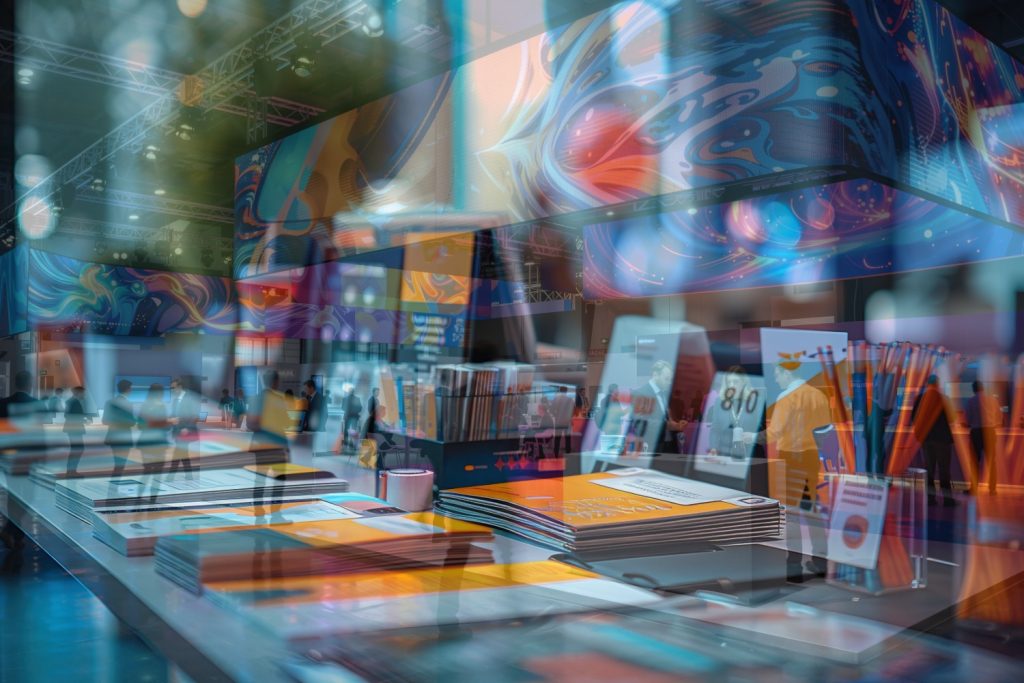
Event branding is more than putting a logo on a banner. The strongest events feel coordinated from the first invite to the final follow-up, and that starts with a clear system for print pieces, signage, and digital touchpoints that all look and sound the same.
When attendees see matching colors, typography, messaging, and visuals across every touchpoint, the event feels more professional and memorable. That consistency should show up on registration pages, printed collateral, directional signage, sponsor displays, social graphics, and digital business cards. A unified brand presence also makes it easier for guests to recognize your organization and remember it after the event ends.
Event Branding Checklist
Use this checklist to make sure every detail supports the same brand story:
Event logo and wordmark are finalized and used consistently across all assets.
Brand colors are applied across print, signage, digital graphics, and staff materials.
Typography is limited to a small, controlled set for clean visual consistency.
Registration pages, landing pages, and email graphics use the same look and tone as the event itself.
Sponsorship banners, step-and-repeats, and directional signs are branded and easy to read.
Speaker slides, QR codes, and digital cards match the event’s visual identity.
Social media graphics, promo posts, and recap content stay aligned before, during, and after the event.
Staff shirts, badges, lanyards, or uniforms reinforce the event look on-site.
Swag and giveaways feel like part of the same brand system, not separate items.
Collateral That Counts
Printed collateral still matters because it gives attendees something physical to hold onto and share. Programs, flyers, postcards, table tents, brochures, and sponsor inserts should do more than list information, they should extend the event identity and keep people oriented. The best pieces are easy to scan, visually consistent, and designed to drive action such as visiting a booth, scanning a QR code, or connecting online.
Signage That Guides
On-site signage should do two jobs at once: help people navigate and make the environment look polished. Directional signs, stage backdrops, welcome banners, sponsor walls, and booth graphics should use the same visual style so the entire venue feels intentional. If the event includes a lot of movement or multiple areas, signage becomes part of the guest experience, not just decoration.
Digital Assets That Connect
Digital assets now play a major role in event branding because they connect the in-person experience with online engagement. Virtual business cards are especially useful because they let attendees instantly save contact details, visit a website, or scan into a CRM-friendly follow-up flow without collecting piles of paper. When the digital card, QR code, landing page, and social graphics all share the same design system, the event feels seamless across every screen and space.
Close Strong
A well-branded event does not depend on one big design piece. It succeeds when collateral, signage, and digital assets work together to create a clear, memorable, and professional experience from start to finish. For D’Vacor Graphics, this is the kind of service that helps clients look prepared, polished, and worth remembering.